

San Marco
St Mark’s Square, the Doge’s Palace and the busiest lanes of the city. Central and grand, and crowded by day.
Sources and further reading · San MarcoThe Rahlio app
Bookings and reminders
Italy
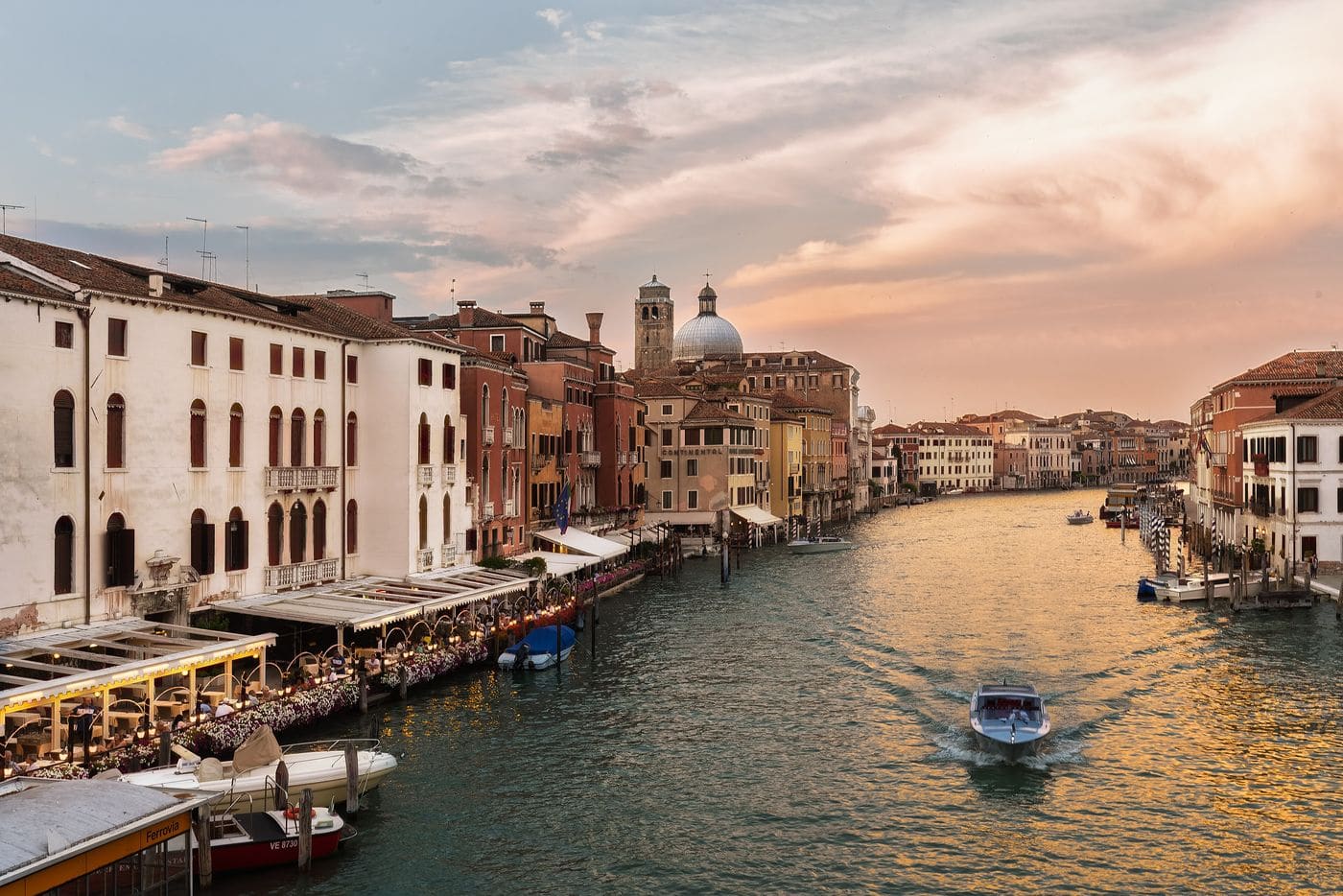
Venice is a city of canals and footbridges, and everything — luggage included — moves on foot or by boat. Choose your area by its distance from the water bus stop you will arrive at, then by how busy you want the evenings to be.
This guide helps you choose an area. Hotel prices and availability are checked when you search with dates and guests.
St Mark’s Square, the Doge’s Palace and the busiest lanes of the city. Central and grand, and crowded by day.
Sources and further reading · San MarcoLong canals, local bars and the old Jewish Ghetto, close to the railway station. A more residential Venice, easy to reach on arrival.
Sources and further reading · CannaregioGalleries, quiet squares and the Zattere waterfront across the Grand Canal from San Marco. Calm, and a short walk from the Accademia bridge.
Sources and further reading · DorsoduroEast of San Marco: the Riva degli Schiavoni waterfront, the Arsenale and the gardens of the Biennale. The further east you go the more residential and quiet it becomes, and San Marco is still a walk along the water.
Sources and further reading · CastelloThe mainland part of Venice, with ordinary streets, cars and hotels that have car parks. Trains from Venezia Mestre station, buses and a tram cross the bridge to the historic city.
Sources and further reading · MestreA long island between the lagoon and the sea, with sandy beaches, roads and bicycles. It suits a summer stay and families, and water buses cross the lagoon to San Marco.
Sources and further reading · The LidoFrom Marco Polo airport, water buses run to stops across the city, buses run to Piazzale Roma, and water taxis go to many hotels’ doors. Treviso, used by some low-cost airlines, is linked by buses. Check the stop nearest your hotel before you arrive.
The historic city is walked, over bridges with steps, and everything else goes by water. The vaporetto, the water bus, runs along the Grand Canal, around the city and out to the islands of Murano, Burano and the Lido. Water taxis are private boats. Cars, buses and the tram from Mestre stop at Piazzale Roma, trains at Venezia Santa Lucia station, and the People Mover links Piazzale Roma with the Tronchetto car parks.
San Marco, or the parts of Castello and Dorsoduro next to it. St Mark’s Square, the Doge’s Palace and the Grand Canal are a walk away. Cannaregio, near the railway station, is the easier choice if you arrive by train with luggage.
The Lido has beaches, roads without steps and room to cycle, with a water bus to San Marco. In the historic city, Cannaregio near the station and the eastern end of Castello, beside the public gardens, are calmer than San Marco. Check how many bridges lie between the water bus stop and the hotel.
There are no cars in the historic city of Venice. The road ends at Piazzale Roma, and the car is left in a garage there or on the Tronchetto island beside it. Hotels with their own car park are in Mestre, on the mainland, and on the Lido, which a car ferry from Tronchetto reaches. A hotel’s list of facilities says "free parking" when there is no charge; "parking" alone does not say the price.
Mestre is often good value, and its hotels are larger and easier to reach by car. Count the train, bus or tram ride to the historic city in, every morning and evening. Inside the city, Cannaregio and Castello away from San Marco are worth a look, and the dates matter as much as the district.
From Marco Polo airport, Alilaguna water buses run to stops around the historic city, buses run to Piazzale Roma and to Mestre, and water taxis go to many hotels’ doors. From Treviso airport, buses run to Mestre and Piazzale Roma.
On foot or by boat. Most bridges have steps, so take the water bus to the stop nearest the hotel and ask the hotel for the route with the fewest bridges. A water taxi can reach the door where the hotel stands on a canal.
Yes, Venice charges a city tax on overnight stays. The rate terms say whether it is included in the price or paid at the hotel. It is separate from the access fee the city asks of day visitors on certain days.
The right hotel is not the grandest on the list; it is the one that fits the days you planned. Five checks, in this order.
The booking closed at one price and the bill shows another. Usually that is not a mistake but a local tax.
Two flights at the same price can be very different trips. Everything that tells them apart is already on the result — it only has to be read in the right order.